Tuesday, November 26, 2024

Should I Get Back with My Ex If They Want to Reconcile?

Should I Get Back with My Ex If They Want to Reconcile?

Should I Get Back with My Ex If They Want to Reconcile?

The decision to reconcile with an ex is rarely straightforward. While the prospect of rekindling a past relationship can be appealing, particularly if initiated by your former partner, it demands careful consideration and a thorough self-assessment. This exploration will delve into the complexities of this decision, offering a framework for evaluating the potential benefits and risks involved in reuniting with a past love.

Analyzing the Reasons for the Initial Breakup

Before even contemplating reconciliation, a critical examination of the reasons behind the initial separation is paramount. Ignoring the underlying issues that led to the breakup is a recipe for disaster, guaranteeing a repeat of past conflicts and heartache. The nature of the issues is crucial; some are more easily resolved than others.

Addressing Fundamental Incompatibilities

Some incompatibilities are fundamental and may prove insurmountable. Differences in core values, long-term life goals, or fundamental personality traits often lie at the heart of irreconcilable differences. For instance, if one partner desires a large family while the other actively opposes parenthood, reconciliation is unlikely to succeed. Similarly, irreconcilable differences regarding career aspirations, financial management, or religious beliefs can create insurmountable obstacles.

Evaluating Addressable Issues

Other issues, while significant, may be addressable through honest communication, compromise, and a willingness to change. These might include:

  • Communication breakdowns: Learning effective communication skills, active listening, and conflict resolution techniques can overcome past communication failures.
  • Lack of trust: If the breakup stemmed from a breach of trust, significant effort and demonstrable actions are needed to rebuild confidence. This requires time, transparency, and consistent behavior demonstrating trustworthiness.
  • External stressors: Financial difficulties, family pressures, or career challenges can strain relationships. If these stressors have been resolved or mitigated, reconciliation may be more viable.
  • Personal growth and change: Individuals evolve over time. If both partners have addressed personal issues that contributed to the breakup, such as addiction or immaturity, a more successful outcome might be possible.

Honest self-reflection on both the nature and resolvability of the issues is crucial. If the fundamental problems remain unresolved, reconciliation is likely to end in another painful separation.

Assessing Your Ex's Reasons for Reconciliation

Understanding your ex's motivations for seeking reconciliation is equally vital. Are their reasons genuine, stemming from a sincere desire to rebuild the relationship and address past mistakes? Or are they driven by loneliness, a lack of better options, or a desire to avoid confronting their own shortcomings?

Identifying Genuine vs. Insincere Motives

Distinguishing between genuine remorse and superficial apologies requires careful observation and open communication. Look for tangible evidence of changed behavior and a commitment to addressing the issues that led to the breakup. Empty promises or superficial gestures are warning signs of insincerity.

Evaluating Their Personal Growth

Has your ex undergone personal growth since the separation? Have they addressed personal issues that contributed to the relationship's demise? If not, reconciliation is unlikely to be successful, as the same problems will likely resurface. Look for tangible evidence of positive change in their life, such as improved emotional regulation, healthier coping mechanisms, or a greater sense of self-awareness.

Considering the Potential Benefits and Risks

Weighing the potential benefits and risks of reconciliation is a crucial step in the decision-making process. While the prospect of rekindling a past love can be alluring, it's essential to approach the situation with a balanced perspective.

Potential Benefits of Reconciliation

Reconciliation might offer the following benefits:

  • Rekindling a strong bond: If the relationship had a strong foundation before the breakup, reconciliation could strengthen the bond through shared experiences and renewed commitment.
  • Avoiding the pain of starting over: Building a new relationship requires significant time and effort. Reconciling can save you the emotional investment of starting afresh.
  • Learning and growth: Overcoming challenges together can lead to personal growth and a deeper understanding of each other.

Potential Risks of Reconciliation

Reconciliation also carries significant risks:

  • Repeating past mistakes: If underlying issues remain unresolved, the same problems will likely resurface, leading to another breakup.
  • Prolonged emotional distress: A failed reconciliation attempt can be even more painful than the initial breakup, potentially leading to prolonged emotional distress.
  • Lost opportunities: Reconciling might prevent you from meeting someone who is a better match for your long-term happiness.
  • Stagnation: Returning to a relationship may hinder personal growth and prevent you from moving forward in life.

Seeking External Support

Navigating the complexities of a potential reconciliation is challenging. Seeking guidance from a trusted friend, family member, or therapist can provide valuable support and perspective. A therapist can offer a neutral space to process your emotions and make an informed decision.

Conclusion

The decision of whether or not to reconcile with an ex is deeply personal and requires careful consideration of numerous factors. A thorough self-assessment, a frank evaluation of the reasons for the initial breakup, and a clear understanding of your ex's motivations are crucial. Weighing the potential benefits and risks, and seeking external support when necessary, are essential steps in making an informed decision that aligns with your long-term well-being and happiness. Remember, choosing to move on is just as valid a choice as choosing reconciliation.

Don't Rush into Rebound Relationships: Give Yourself Time to Heal

Don't Rush into Rebound Relationships:  Give Yourself Time to Heal

Don't Rush into Rebound Relationships: Give Yourself Time to Heal

Heartbreak. It's a universal experience, leaving a trail of emotional wreckage in its wake. The sting of rejection, the gut-wrenching sadness, the overwhelming sense of loss â€" these feelings are intense and require time to process. Yet, in the vulnerable aftermath of a relationship's end, the human desire for connection often leads us down a path we might later regret: the rebound relationship. While the allure of immediate comfort and validation is undeniably strong, rushing into a new romance before adequately healing can significantly hinder your emotional well-being and ultimately sabotage your future relationships.

Understanding the Rebound Trap

A rebound relationship, by its very nature, is a temporary fix. It̢۪s driven by a need to fill the void left by the previous relationship, rather than a genuine connection based on mutual respect, shared values, and authentic affection. Instead of addressing the underlying issues that contributed to the previous relationship's demise, you̢۪re essentially using a new person as a bandage for old wounds. This approach avoids the crucial work of self-reflection and emotional healing, leaving unresolved trauma to fester and potentially spill over into future relationships.

The Risks of a Premature Romance

Jumping into a new relationship too soon carries considerable risks. You may find yourself comparing your new partner to your ex, constantly measuring them against a standard that̢۪s inherently unfair and unrealistic. This can create insecurity and dissatisfaction, damaging the new relationship before it even has a chance to bloom. Furthermore, you might unintentionally project unresolved emotions onto your new partner, creating unnecessary conflict and miscommunication. You may also struggle to fully invest yourself emotionally, leaving your partner feeling undervalued and unfulfilled.

Prioritizing Self-Healing

The path to healing after a breakup is personal and requires patience and self-compassion. There is no prescribed timeline; allow yourself the time you need to grieve the loss, process the emotions, and learn from the experience. Active steps towards healing are crucial. Engaging in self-care activities, such as exercise, meditation, or spending time in nature, can significantly improve your emotional well-being. Connecting with supportive friends and family provides a crucial safety net during this challenging period.

Essential Steps Towards Emotional Recovery

Healing isn't passive; it's an active process. Consider these vital steps:

  • Allow yourself to grieve: Don't suppress your emotions. Acknowledge your sadness, anger, and confusion.
  • Reflect on the past relationship: Identify patterns and learn from the experience. What contributed to the breakup? What did you learn about yourself and your needs?
  • Focus on self-improvement: Engage in activities that nurture your physical and mental well-being. Explore new hobbies, reconnect with old passions, or pursue personal growth opportunities.
  • Build a strong support system: Lean on trusted friends and family for emotional support. Consider seeking professional guidance from a therapist or counselor.

When You're Truly Ready

When you're ready for a new relationship, you'll know it. You won't be driven by a desperate need to fill a void; instead, you'll be motivated by a genuine desire for connection and companionship. You'll feel emotionally stable, self-assured, and capable of offering your full self to another person without being weighed down by the baggage of your past. You will approach the new relationship with clear boundaries, realistic expectations, and a mature understanding of your own needs and desires. This readiness is the key to building healthy, lasting relationships.

Exploring the Boundaries of Friendship with an Ex

Exploring the Boundaries of Friendship with an Ex

Navigating the Tricky Terrain: Friendship with an Ex

The end of a romantic relationship often leaves a void, a space once filled with intimacy and shared experiences. While moving on is crucial, the question of maintaining a friendship with an ex frequently arises. This isn't a simple yes or no answer; it's a complex landscape demanding careful consideration and self-awareness. The possibility of friendship hinges on various factors, including the nature of the breakup, the emotional maturity of both individuals, and the clear understanding of boundaries. This article explores the nuanced considerations involved in navigating this delicate territory.

Assessing the Breakup's Aftermath

The type of breakup significantly influences the potential for friendship. A mutual and amicable split, where both partners recognize the relationship's natural conclusion, presents a far more fertile ground for a platonic connection than a messy, acrimonious ending. Consider the reasons for the breakup. Were there irreconcilable differences that remain unresolved? Did betrayal or significant hurt feelings occur? These unresolved issues can cast a long shadow, poisoning any attempt at friendship. Honest introspection is crucial. Ask yourself: Do I genuinely want a friendship, or am I clinging to the past out of hope for reconciliation or a fear of loneliness? Facing these questions honestly will guide your decision-making process.

Recognizing Unresolved Issues

Unresolved issues are dealbreakers. If you still harbor anger, resentment, or significant hurt, it's highly unlikely a healthy friendship can flourish. These unresolved emotions will seep into interactions, creating tension and hindering genuine connection. Before even attempting friendship, address the core issues through healthy communication, possibly with the help of a therapist. Consider professional mediation if necessary to facilitate a productive and respectful dialogue.

Establishing Clear Boundaries

The foundation of any successful post-relationship friendship lies in establishing and respecting clear boundaries. This requires open and honest communication. Both individuals must define what constitutes acceptable interaction and what is off-limits. This might include setting limits on contact frequency, avoiding emotionally charged conversations, or refraining from discussions about current dating lives. Transparency is key. Discuss these boundaries explicitly and agree on how to manage potential breaches. For example, will you unfollow each other on social media to avoid triggering jealousy or unwanted emotional responses? Will you avoid certain locations or social gatherings to prevent accidental encounters that could lead to awkwardness or renewed romantic interest?

Respecting Emotional Space

Friendship necessitates respecting each other's emotional space and healing process. It's crucial to allow for a period of separation after the breakup, giving both individuals time to process their emotions independently. Avoid pushing for immediate friendship. This can be perceived as disrespectful and might hinder both parties' healing journey. Patience and understanding are vital during this transition phase.

When Friendship Might Not Be Feasible

Sometimes, despite good intentions, friendship with an ex simply isn't possible. This isn't a reflection on either person's character; it's simply acknowledging the realities of certain relationships. If the breakup was traumatic, involved abuse (emotional, physical, or otherwise), or left deep-seated wounds, prioritizing your emotional well-being takes precedence. Forcing a friendship in such circumstances can be detrimental. Remember, you deserve healthy relationships â€" romantic or platonic â€" and sometimes letting go entirely is the healthiest choice.

Prioritizing Your Well-being

Ultimately, the decision of whether or not to pursue a friendship with an ex rests solely on you. Prioritize your emotional health and well-being above all else. If the potential benefits outweigh the risks, and both parties are committed to establishing and maintaining healthy boundaries, a post-relationship friendship can be achievable. However, if doubt or apprehension lingers, it̢۪s perfectly acceptable, even advisable, to choose to move on entirely and dedicate your energy to building new, healthy relationships.

Remember, there is no right or wrong answer. What matters most is making a conscious, informed decision that best supports your emotional well-being and allows you to move forward with your life.

Engaging in Light Conversation with Your Ex

Engaging in Light Conversation with Your Ex

Navigating the Delicate Dance: Engaging in Light Conversation with Your Ex

The termination of a romantic relationship, regardless of its duration or circumstances, often leaves a complex emotional landscape. While the immediate aftermath may be characterized by intense feelings â€" sadness, anger, confusion â€" the passage of time can gradually allow for a shift in perspective. This shift may, under certain circumstances, pave the way for the possibility of light conversation with your former partner. However, navigating this delicate social terrain requires careful consideration, tact, and a clear understanding of both your own emotional state and your ex-partner's potential reaction. This article explores the complexities involved in re-establishing a cordial, if limited, form of communication with a former romantic partner.

Assessing the Feasibility and Appropriateness of Contact

Before attempting any form of communication, a thorough self-assessment is crucial. Emotional readiness is paramount. Engaging in conversation with an ex when still grappling with intense negative emotions can be detrimental to your well-being and may lead to unintended consequences. Consider the following:

Evaluating Your Emotional State

Honest introspection is key. Ask yourself: Are you genuinely over the relationship, or are you seeking closure through contact? Do you harbor resentment or unresolved feelings that might cloud your judgment and lead to a potentially hurtful exchange? If the answer to any of these questions is affirmative, it is advisable to postpone contact until you have reached a more emotionally stable state. Seeking support from friends, family, or a therapist can significantly aid in this process.

Considering the Circumstances of the Breakup

The nature of the separation significantly influences the appropriateness of contact. A mutually respectful parting presents a different scenario compared to a relationship ending in acrimony or betrayal. If the breakup involved significant hurt or trauma, re-establishing contact requires extreme caution and a deep consideration of potential emotional triggers. In cases of abuse or infidelity, contact should generally be avoided unless it's absolutely necessary and conducted within a strictly professional or supervised context.

Analyzing Your Ex-Partner's Perspective

Consider your ex-partner's likely reaction. Are they likely to welcome a casual interaction, or might such an attempt be interpreted as intrusive or unwelcome? Respect for their boundaries is essential. If there's any doubt about their receptiveness, it's best to err on the side of caution and refrain from contacting them. Observing their social media activity or seeking information from mutual friends might provide subtle clues about their current emotional state and readiness for contact.

Initiating and Maintaining Light Conversation

If, after careful consideration, you determine that initiating light conversation is appropriate and feasible, proceed with caution and grace. The goal is to establish a polite, brief, and non-confrontational exchange.

Choosing the Appropriate Medium

The method of contact should be carefully chosen. A brief, neutral email or text message might be preferable to a phone call, especially during the initial stages. Avoid any form of communication that suggests romantic intent or the desire to rekindle the relationship. Direct and unambiguous language is crucial to avoid misinterpretations.

Topics to Include and Exclude

Keep the conversation strictly superficial and focused on neutral topics. Appropriate subjects might include:

  • Neutral inquiries about their well-being: "I hope you're doing well."
  • Mentioning a shared acquaintance or event: "I saw [mutual friend] the other day."
  • Brief comments related to a shared interest (if applicable): "I saw that [band/movie/book] you liked released a new album/movie/book."

Strictly avoid discussing:

  • The relationship itself or any of its details.
  • Current or future romantic partners.
  • Any emotionally charged topics that might trigger negative feelings.
  • Sensitive personal information.

Maintaining Boundaries and Respect

Respect your ex-partner's boundaries and their right to limit or end the conversation. If they respond briefly or appear unenthusiastic, do not push for further engagement. Respect their response and gracefully exit the conversation. Do not interpret a brief or somewhat reserved response as an invitation for further interaction. The goal is to maintain a respectful and polite distance, not to reignite the relationship.

Recognizing and Managing Potential Challenges

Even with careful planning, engaging in light conversation with an ex can present unexpected challenges. It's important to be prepared for various scenarios and to have strategies in place to manage them effectively.

Unexpected Emotional Responses

Regardless of your preparation, interacting with your ex can unexpectedly evoke a range of emotions. It's crucial to recognize these feelings and to manage them healthily. Allow yourself to experience these emotions without judgment, and utilize healthy coping mechanisms such as journaling, meditation, or exercise.

Handling Difficult Conversations

Despite your best intentions, the conversation might take an unexpected turn. If your ex-partner becomes upset or aggressive, maintain your composure. Politely and firmly end the conversation, reinforcing the fact that you only intended a brief, friendly exchange. Do not engage in arguments or attempts to justify your actions. Prioritize your emotional well-being and distance yourself from the interaction if it becomes uncomfortable or hostile.

The Risk of Misinterpretation

The most significant risk is that your attempt at light conversation will be misinterpreted as an attempt to rekindle the relationship. This is why clear, concise, and neutral communication is essential. Avoid ambiguous language or actions that might be construed as romantic or suggestive. If there is any indication of misinterpretation, immediately clarify your intentions and emphasize your commitment to maintaining a respectful distance.

In conclusion, engaging in light conversation with an ex-partner requires a thoughtful approach, guided by self-awareness, respect, and a realistic assessment of the situation. By carefully considering the feasibility, appropriateness, and potential challenges, you can navigate this delicate social terrain with grace and maintain a healthy emotional balance.

Understanding Attachment Styles for Better Relationships

Understanding Attachment Styles for Better Relationships

Understanding Attachment Styles for Better Relationships

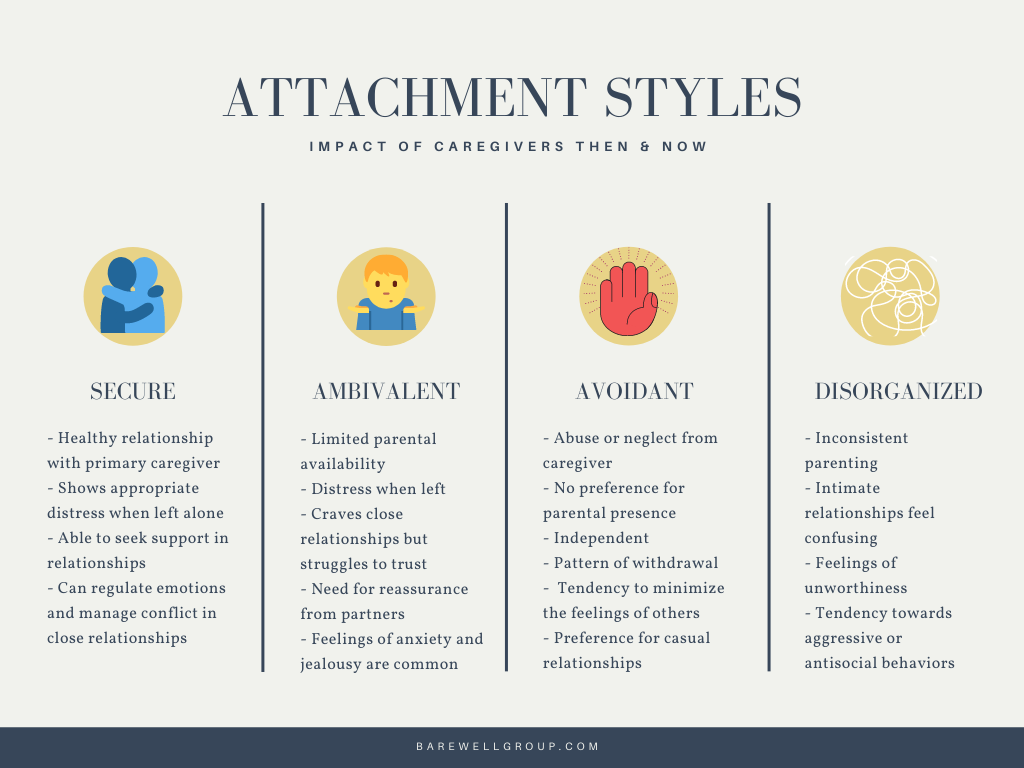
Hey everyone! Let's talk about something super important for building strong, healthy relationships: attachment styles. Now, I know what you might be thinking â€" "Attachment styles? Sounds complicated!" But trust me, once you understand the basics, it’ll really help you navigate your relationships with more self-awareness and empathy.

Basically, your attachment style is a pattern of relating to others, especially in close relationships. It develops in early childhood, based on your interactions with your primary caregivers (usually your parents). It's not a fixed label, though â€" it can shift and evolve throughout your life, especially with self-reflection and conscious effort.

The Four Main Attachment Styles

There are four main attachment styles often discussed: secure, anxious-preoccupied, dismissive-avoidant, and fearful-avoidant. Let's break each one down:

Secure Attachment

People with a secure attachment style generally have a positive view of themselves and others. They feel comfortable with intimacy and independence. They're usually confident in their ability to form and maintain close relationships. Think of it as the "gold standard" â€" these individuals tend to have healthy relationships characterized by trust, open communication, and mutual support.

Signs of Secure Attachment:

  • Comfortable with intimacy and independence
  • Trusts others easily
  • Communicates openly and honestly
  • Seeks support when needed, and offers support to others
  • Handles conflict constructively

Anxious-Preoccupied Attachment

Individuals with an anxious-preoccupied attachment style often have a positive view of others but a negative view of themselves. They crave intimacy and closeness but fear abandonment. This can lead to clinginess, neediness, and a tendency to worry about their partner's feelings and intentions. They might experience intense jealousy or insecurity in relationships.

Signs of Anxious-Preoccupied Attachment:

  • Fear of abandonment
  • Clingy and needy in relationships
  • High levels of jealousy and insecurity
  • Often seeks reassurance from their partner
  • May overthink and overanalyze interactions

Dismissive-Avoidant Attachment

Those with a dismissive-avoidant attachment style tend to have a positive view of themselves but a negative view of others. They value independence and self-reliance to the point of suppressing their need for intimacy. They may appear emotionally distant and avoid close relationships. They might prioritize their own needs and independence over the needs of their partners.

Signs of Dismissive-Avoidant Attachment:

  • Values independence and self-reliance above all else
  • Avoids intimacy and emotional closeness
  • Suppresses their own emotions and needs
  • May appear emotionally distant or unavailable
  • Struggles with vulnerability

Fearful-Avoidant Attachment

This style is a bit of a mix â€" individuals with fearful-avoidant attachment have a negative view of both themselves and others. They desire closeness but fear intimacy. This leads to a cycle of pushing people away and then longing for connection. They may experience a lot of internal conflict and struggle to maintain consistent relationships.

Signs of Fearful-Avoidant Attachment:

  • Desire closeness but fear intimacy
  • Experiences significant internal conflict
  • May sabotage relationships due to fear of being hurt
  • Often has difficulty trusting others
  • May display inconsistent behavior in relationships

How Attachment Styles Impact Relationships

Understanding your attachment style (and your partner's!) can dramatically improve your relationships. For example, if you're anxiously attached and your partner is avoidantly attached, you might find yourselves constantly clashing. Your need for reassurance might feel overwhelming to your partner, while their desire for space might leave you feeling rejected. Recognizing these inherent differences allows you to approach conflict with more compassion and understanding.

Knowing your attachment style can also help you identify potential relationship patterns that may be hindering your happiness. Are you constantly choosing partners who reinforce your negative self-image? Are you unconsciously recreating past relationship dynamics? Self-awareness is key!

Changing Your Attachment Style

It's important to remember that attachment styles aren̢۪t set in stone. While your early childhood experiences significantly shaped your attachment, you can absolutely work towards a more secure attachment. This often involves therapy, self-reflection, and conscious effort to challenge negative thought patterns and develop healthier relationship skills. Things like building self-esteem, practicing healthy communication, and learning to set boundaries are all valuable steps.

Finding a Therapist

If you're struggling with your attachment style and its impact on your relationships, seeking professional help is a great idea. A therapist can provide a safe and supportive space for you to explore your experiences, understand your patterns, and develop healthier coping mechanisms. They can also help you identify and address any underlying issues contributing to your attachment style.

Commonly Asked Questions

Q: Can I change my attachment style completely?

A: While you might not entirely erase your early programming, you can absolutely learn to manage and modify your responses and build more secure relationships. Therapy and self-work can help you develop healthier coping mechanisms and relationship skills.

Q: How do I know what my attachment style is?

A: There are many online quizzes and questionnaires that can give you an idea, but it's best to consider them as a starting point. A deeper understanding often comes from self-reflection and potentially working with a therapist.

Q: Does my partner's attachment style matter?

A: Absolutely! Understanding your partner's attachment style can help you anticipate their reactions, communicate more effectively, and navigate conflicts more constructively. It's not about "fixing" your partner, but about understanding their needs and finding ways to work together.

Q: Is it possible to have a successful relationship with different attachment styles?

A: Yes! While it can present challenges, couples with different attachment styles can absolutely have fulfilling relationships. Open communication, empathy, and a willingness to understand each other's needs are crucial for success.

I hope this has helped shed some light on attachment styles. Remember, understanding yourself and your partner is the first step towards building healthy and lasting relationships! Good luck on your journey!

Monday, November 25, 2024

5 Subtle Signs Your Ex Might Want You Back

5 Subtle Signs Your Ex Might Want You Back

5 Subtle Signs Your Ex Might Want You Back

The termination of a romantic relationship, while often painful, can leave lingering questions and uncertainties. The possibility of reconciliation, however slight, can create a complex emotional landscape. While overt declarations of renewed interest are straightforward, subtle cues often provide a more nuanced picture. Understanding these subtle signs can help individuals navigate the post-breakup period with greater clarity and self-awareness, allowing for informed decision-making regarding potential reconciliation.

Increased Communication and Contact

One of the most prevalent, yet often overlooked, indicators of a possible desire for reconciliation lies within the realm of communication. While the immediate aftermath of a breakup often involves a period of silence, a gradual increase in contact, albeit subtle, can be a significant clue. This increase isn't necessarily characterized by overtly romantic gestures but rather by a shift in the frequency and nature of interactions.

The Frequency of Contact

A simple increase in the frequency of communication beyond what is strictly necessary for logistical purposes or shared responsibilities can be telling. Consider the context of these communications. Are they initiating conversations more often than previously observed? Do these conversations extend beyond brief, transactional exchanges and instead involve casual inquiries about your well-being or day-to-day activities? If so, this might indicate a deeper level of interest than purely amicable post-breakup interactions.

The Nature of Contact

The content of the communication itself provides further insight. Are your conversations longer than before, characterized by more personal and engaging dialogue? Do they seek out opportunities to reminisce about shared experiences, subtly revisiting positive memories of your relationship? These actions often suggest a longing for the past and a desire to reconnect on a more intimate level. Conversely, persistent attempts to elicit information about your current dating life may hint at a desire to gauge your availability.

The Medium of Communication

The method of communication is also significant. A shift from impersonal text messages to more personal phone calls or even in-person encounters suggests an increased investment in re-establishing contact. If your ex consistently chooses more intimate avenues of communication, it could signal a deeper intention to reconnect emotionally.

Social Media Engagement and Monitoring

In today's digitally connected world, social media platforms often serve as a silent battleground for unspoken emotions. The way your ex engages with your online presence can offer valuable insights into their underlying feelings.

Increased Likes and Comments

A notable increase in likes and comments on your social media posts, particularly those showcasing your positive experiences and accomplishments, can be indicative of an attempt to remain connected and stay abreast of your life. This passive engagement can represent a subtle way of maintaining a sense of presence in your world without being overtly intrusive.

Frequent Viewing and Stalking

While difficult to directly observe, there are indirect signs that your ex may be frequently viewing your social media profiles. For instance, unexpected interactions or comments that seem to align with specific content you have recently posted might suggest that they are actively monitoring your online activity. While overtly stalking is undesirable, a consistent, albeit passive, observation of your social media presence could be a sign that they are keeping tabs on your life, a behavior often rooted in lingering feelings.

Subtle Changes in Their Online Presence

Observe any changes in your ex's online presence. Are they suddenly posting more pictures that resemble your aesthetic preferences or engaging in activities you both previously enjoyed? This could suggest an attempt to subtly align their image with your own, signaling a desire to rekindle connection through shared interests and experiences.

Unexpected Acts of Kindness or Service

Acts of unexpected kindness or service, especially those exceeding mere politeness or practicality, could reveal a hidden desire for reconnection. These acts demonstrate a willingness to invest time and effort in your well-being, often an indication of underlying feelings.

Offering Help or Assistance

An unsolicited offer of help or assistance, especially regarding tasks or situations outside the realm of shared responsibilities or obligations, demonstrates a willingness to go the extra mile for your benefit. This proactive gesture transcends simple courtesy and suggests a deeper concern for your well-being.

Giving Gifts or Tokens of Affection

The presentation of gifts or tokens of affection, particularly those aligning with your known preferences or reminiscent of shared memories, holds significant weight. These thoughtful gestures often carry a deeper emotional message, hinting at a desire to re-establish emotional connections.

Mutual Friends Acting as Messengers

Often, mutual friends unintentionally act as conduits of information and subtle communication between former partners. If mutual friends consistently bring up your ex's name or relay seemingly innocuous messages regarding their well-being or interests, it's worth considering the possibility of a deliberate attempt at indirect contact.

Casual Inquiries About Your Well-being

These inquiries, often delivered casually and through a third party, serve as a less direct method of checking in on your life and well-being. The subtle nature of this indirect communication can help gauge your current emotional state and availability without the risk of overt rejection.

Subtle Hints of Regret or Longing

Messages relayed through mutual friends may contain subtle hints of regret or longing for the past relationship. These indirect expressions of emotion allow your ex to gauge your potential receptiveness to reconciliation without directly confronting the complexities of the breakup.

Unexpected Encounters and Coincidences

While seemingly coincidental encounters may appear random, a pattern of unexpected meetings or "chance" encounters in familiar places or shared social circles could indicate a deliberate attempt to cross paths and re-establish contact. These orchestrated encounters often reflect a desire to rekindle a connection through face-to-face interaction.

Frequency and Location of Encounters

The frequency and location of these encounters are critical factors. Repeated encounters in places not typically frequented by either party suggest a deliberate effort to initiate contact. The more frequent and deliberate these encounters appear, the stronger the possibility of a premeditated effort to reconnect.

It is crucial to remember that these are subtle signs, and their interpretation requires careful consideration of the context and your personal history with your ex. No single sign definitively confirms a desire for reconciliation; instead, a confluence of several subtle cues, interpreted in the context of your unique relationship, provides a more accurate assessment. Ultimately, open communication remains the most effective method of clarifying intentions and navigating the complexities of post-breakup dynamics.

Winning Him Back When He Has a New Girlfriend

Winning Him Back When He Has a New Girlfriend

Reclaiming a Lost Connection: Navigating the Complexities of Winning Back a Partner Who Has Moved On

The heartbreak of a relationship's dissolution is often profound, leaving individuals grappling with a complex array of emotions. When a partner initiates a separation and subsequently enters a new relationship, the desire to reconcile can feel particularly acute. However, the pursuit of rekindling a connection under these circumstances requires careful consideration, strategic planning, and a deep understanding of the dynamics at play. This exploration delves into the multifaceted challenges and potential pathways involved in winning back a partner who has already moved on, emphasizing a respectful and ethically sound approach.

Assessing the Situation: Understanding the Dynamics of Separation and New Relationships

Before embarking on any attempt to reconnect, a thorough self-reflection and objective assessment of the situation are paramount. This involves honestly evaluating the reasons for the initial breakup and the role played by each individual. Was the separation mutual, or was it unilaterally initiated by your partner? Understanding the underlying causes is crucial for formulating a strategic plan for reconciliation. Ignoring or downplaying the reasons for the split is likely to prove counterproductive.

Identifying the Root Causes of the Separation

Identifying the specific factors that contributed to the breakup is a critical first step. These could range from communication breakdowns and irreconcilable differences to infidelity or a fundamental mismatch in values and life goals. A comprehensive analysis necessitates honest introspection and potentially the assistance of a therapist or counselor. This self-awareness will inform your approach to reconciliation, allowing you to address the issues that led to the separation.

Analyzing the New Relationship: A Sign of Moving On or a Rebound?

The presence of a new partner complicates the situation considerably. It is imperative to consider the nature of this new relationship. Is it a genuine, committed partnership, or is it a rebound relationshipâ€"a temporary connection serving as a coping mechanism or distraction from the pain of the breakup? Determining the nature of this new relationship is vital in assessing the likelihood of success in a reconciliation attempt. A rebound relationship may present a more opportune moment for reconnection than a stable, long-term partnership.

Strategic Planning: A Measured and Respectful Approach

Once a comprehensive understanding of the situation has been established, a well-defined strategic plan for reconnection is necessary. This plan should emphasize a respectful and non-intrusive approach, focusing on personal growth and demonstrating positive change.

Prioritizing Self-Improvement and Personal Growth

A crucial element of a successful reconciliation strategy is demonstrating significant personal growth and change since the breakup. This involves addressing the issues that contributed to the relationship's demise. If communication was a problem, invest in communication skills training. If personal insecurities played a role, seek therapy to address these issues. Demonstrating tangible improvements in these areas sends a powerful message of commitment to personal growth and a readiness for a healthier, more fulfilling relationship.

Establishing Healthy Communication: Rebuilding Trust and Respect

Communication is the cornerstone of any successful relationship. If you are seeking reconciliation, establishing open, honest, and respectful communication is paramount. This requires actively listening to your partner̢۪s perspective, acknowledging their feelings, and avoiding accusatory or defensive language. It may involve seeking professional guidance to learn healthier communication patterns.

Respecting Boundaries and Avoiding Intrusive Behavior

Respecting your partner's boundaries is critical throughout this process. Avoid excessive contact, persistent messaging, or any actions that could be perceived as harassing or stalking. Respect their current relationship and their right to choose their own path. Your efforts at reconnection should be characterized by respect and understanding, not by pressure or coercion.

Executing the Plan: A Measured and Respectful Approach

The execution of the reconciliation plan requires patience, persistence, and a willingness to accept the possibility of rejection. It's crucial to proceed with empathy and understanding, recognizing that your partner may need time and space to process their feelings.

Initiating Contact: A Cautious and Respectful Approach

When initiating contact, choose a method that respects their boundaries. A brief, respectful message expressing your desire to reconnect and acknowledging their current relationship is a suitable starting point. Avoid demanding responses or pressuring them into a conversation. Respect their decision if they choose not to engage.

Demonstrating Positive Change and Growth

During any interaction, focus on showcasing the positive changes you have made in your life. This may involve sharing your progress in addressing past issues, highlighting personal achievements, or demonstrating a newfound commitment to self-care and well-being. This demonstrates genuine growth and a sincere desire for a healthier relationship.

Accepting the Possibility of Rejection

It is crucial to accept the possibility that your efforts may not be reciprocated. Your partner may have moved on completely, and their new relationship may be fulfilling and meaningful. Accepting this possibility with grace and dignity is a testament to your maturity and respect for their autonomy.

Seeking Support: Navigating the Emotional Toll

The emotional toll of navigating a reconciliation attempt can be significant. Seeking support from trusted friends, family members, or a therapist can provide invaluable guidance and emotional support throughout this challenging process. A therapist can offer objective perspectives and help you process your emotions healthily.

  • Support groups: Connecting with others who have experienced similar situations can foster a sense of community and shared understanding.
  • Therapy: A therapist can provide tools and strategies for managing emotions and navigating difficult conversations.
  • Self-care: Prioritizing self-care activities, such as exercise, healthy eating, and mindfulness practices, is crucial for maintaining emotional well-being.
  • Ultimately, winning back a partner who has moved on requires a strategic, respectful, and emotionally intelligent approach. While there's no guarantee of success, prioritizing self-improvement, establishing healthy communication, and respecting boundaries significantly increases the chances of a positive outcome. However, it's crucial to remember that accepting the possibility of rejection and prioritizing your own well-being are equally important aspects of this journey.

    How to Connect on a Deeper Level to Win Her Back

    How to Connect on a Deeper Level to Win Her Back

    Reconnecting on a Deeper Level: Winning Her Back

    Okay, so things ended with her, and you're ready to put in the work to win her back. That takes guts, and I respect that. But it's not about grand gestures or showering her with gifts; it's about genuine connection. This isn't a quick fix; it's a journey of self-reflection and understanding. Are you ready for a real conversation? Let's dive in.

    Understanding the Breakdown: What Went Wrong?

    Before you even *think* about reaching out, you need brutal honesty with yourself. What went wrong? Was it a simple misunderstanding? A pattern of behavior on your part? A fundamental incompatibility? Don't sugarcoat it. This isn't about blaming yourself (though taking responsibility for your actions is crucial), it's about understanding the root causes of the breakup. Without this understanding, any attempt at reconciliation will likely fail.

    Honest Self-Reflection is Key

    Grab a notebook and really dig deep. Think about:

    • Your role in the breakup: What did *you* do (or not do)?
    • Her perspective: Try to see things from her point of view. What were her concerns?
    • Unmet needs: Did you neglect her emotional, physical, or intellectual needs?
    • Communication breakdowns: Were there times you failed to listen, understand, or communicate effectively?

    The more honest you are with yourself, the better equipped you'll be to address the issues that led to the separation. This isn't about feeling bad; it's about growth.

    Showing, Not Telling: Actions Speak Louder Than Words

    You can say you've changed, but actions prove it. Words are cheap; consistent positive actions are what truly show commitment and remorse. This isn't about changing *who you are* but about improving yourself and becoming a better partner.

    Demonstrating Growth and Change

    This is where the rubber meets the road. If you identified specific issues (like poor communication or neglecting her needs), actively work on them. This might involve:

    • Therapy: A therapist can help you process your emotions, understand your patterns, and develop healthier coping mechanisms.
    • New hobbies: Focusing on self-improvement shows you're prioritizing your well-being and growth.
    • Improved communication skills: Take a course, read books, or practice active listening with friends and family.
    • Addressing specific issues: If you had anger management issues, seek help. If you were neglectful, actively show her you’re prioritizing her now.

    The Art of Re-Connection: Reaching Out

    Reaching out should be done thoughtfully, not impulsively. Avoid dramatic gestures. Start with a simple, sincere message. Don̢۪t expect immediate reciprocation; respect her space and her feelings. Focus on expressing genuine remorse and a desire to connect, not to win her back immediately. The goal is to open a line of communication, not to force a reunion.

    Respecting Her Boundaries

    This is paramount. If she's not ready to talk, respect that. Don't bombard her with messages. Give her the time and space she needs to process her emotions. If she asks for space, give it to her. It shows maturity and respect.

    Focusing on Genuine Connection, Not Reconciliation

    The initial contact shouldn't be about winning her back. Focus on reconnecting as people. Share something you've been working on, something you find interesting, or ask about her life without pressuring her for a response. The goal is to rebuild trust and establish a foundation for future communication.

    Navigating the Conversation: Active Listening and Empathy

    When you do connect, listen more than you speak. Really listen to what she says, validate her feelings, and show empathy. Avoid defensiveness. Accept responsibility for your part in the breakup. Let her express her feelings without interruption. This is about understanding her perspective, not justifying your actions.

    Active Listening Techniques

    • Make eye contact.
    • Nod to show you're following along.
    • Summarize her points to confirm your understanding.
    • Ask clarifying questions to show your interest.
    • Avoid interrupting or offering unsolicited advice.

    Long-Term Commitment: Rebuilding Trust

    Rebuilding trust takes time and consistent effort. It̢۪s not a switch you flip. You need to demonstrate through your actions that you̢۪re committed to being a better partner. This requires patience, understanding, and a willingness to put in the work over the long haul.

    Consistency is Key

    Small, consistent actions over time are far more impactful than grand gestures. Show her, through your daily actions, that you are committed to making the relationship work. This builds trust more effectively than any grand promise.

    Frequently Asked Questions

    Q: How long should I wait before reaching out?

    A: There's no magic number. Consider the circumstances of the breakup and her personality. A few days to a couple of weeks might be appropriate, but respect her need for space.

    Q: What if she doesn't want to talk?

    A: Respect her decision. Accept that it might not be possible to win her back, and focus on your own growth and well-being.

    Q: What if she brings up past hurts?

    A: Listen empathetically, apologize sincerely, and avoid defensiveness. Focus on understanding her perspective and validating her feelings.

    Q: What if I'm scared of rejection?

    A: Rejection is a part of life. Focus on taking this as a journey of self-improvement and growth, regardless of the outcome. The most important thing is that you're working on yourself and becoming a better person.

    Q: Is it possible to win her back?

    A: There's no guarantee, but if you̢۪re willing to put in the work on yourself and truly understand what went wrong, you'll greatly improve your chances. More importantly, you̢۪ll become a better version of yourself regardless of the outcome.

    Remember, winning her back is only one possible outcome. The more important goal is to become the best version of yourself, which will benefit your relationships in general and your life as a whole. Good luck!

    What to Avoid When Trying to Win Back Your Ex

    What to Avoid When Trying to Win Back Your Ex

    Navigating the Minefield: What NOT to Do When Winning Back Your Ex

    Okay, so your heart's doing the tango, your head's a swirling mess of "what ifs," and you're dead-set on getting your ex back. I get it. Breakups are brutal, and the desire to rekindle the flame is powerful. But before you dive headfirst into Operation Reconciliation, let's talk about the major pitfalls you absolutely *must* avoid. Because trust me, some moves will only push them further away.

    The "Desperate" Trap: Why Begging and Pleading is a No-Go

    Look, I know the pain is real. That gnawing feeling in your gut, the constant replay of happy memories... it makes you want to beg, plead, and basically prostrate yourself at their feet. Resist the urge! This is a major turn-off. Desperation is not attractive. It makes you seem needy and lacking self-respect, and nobody wants to be with someone who can't stand on their own two feet.

    Instead of begging, focus on showing your ex that you're doing okay (even if you're not *really* okay inside). That̢۪s where the magic happens. We'll get to that later, but the key takeaway here is: dignity is key.

    The Social Media Stalker Strategy: A Recipe for Disaster

    We've all been there, tempted to creep on our ex's social media profiles. But resist! Stalking their accounts, liking every single post, or leaving cryptic comments is a huge mistake. It screams "I can't move on!" and will likely make your ex feel uncomfortable, harassed, and even scared.

    Why Social Media Stalking is a Bad Idea:

    • It shows you haven't moved on: It demonstrates that you're still heavily invested in their life, which is not a good look when you're trying to win them back.
    • It's invasive and disrespectful: Respect their privacy. They're entitled to their space, and your constant monitoring is a breach of that.
    • It fuels negativity: Seeing them happy with friends or possibly even someone new will only intensify your pain and make your attempts to reconnect even harder.

    Instead, take a break from social media. Deactivate your account if necessary. Focus on yourself and let your ex have their space. The less you interact with their online presence, the better.

    The "I'll Change for You" Gambit: A Path to Resentment

    This one is tricky. While genuine self-improvement is admirable, promising to change fundamental aspects of yourself solely to win back your ex is a recipe for disaster. It implies that you weren't good enough *as you were*, setting the stage for resentment and future conflicts. If you truly want to change something, do it for yourself, not to appease someone else.

    Focus on Authentic Growth:

    • Identify your personal growth areas: Are there habits or behaviors that truly need improvement? Work on those for *you*, not to impress your ex.
    • Don't pretend to be someone you're not: Authenticity is attractive. Your ex fell for you for a reason â€" don't try to erase that person.
    • Self-improvement should be about you: Your focus should be on becoming the best version of yourself, not someone your ex wants you to be.

    If your ex genuinely wants a relationship with you, they'll want *you*, not a manufactured version.

    The "Bombardment" Approach: Giving Them No Breathing Room

    Constant texts, calls, emails, and showing up unexpectedly will only push your ex away. They need space and time to process the breakup and reflect on their feelings. Respect that. Overwhelming them with contact will make them feel suffocated and resentful.

    The Importance of Space:

    • Let them miss you: Absence makes the heart grow fonder. Giving them space allows them to reflect on the good times and potentially miss your presence.
    • Allow them to heal: Breakups are painful. Allow your ex time to process their emotions before you try to reconnect.
    • Respect their boundaries: If they've explicitly asked for space, respect that request. Ignoring their boundaries will only damage any chance of reconciliation.

    Instead of constant contact, focus on improving yourself. Give them the space they need to miss you and consider a potential reconciliation.

    The "Blame Game": Avoiding Responsibility

    Pointing fingers and blaming your ex for the breakup will not get you back together. Take responsibility for your role in the relationship's demise, even if it was a small part. Showing self-awareness and maturity is far more attractive than defensiveness. Acknowledge your mistakes and express genuine remorse. This demonstrates growth and maturity.

    Talking to Mutual Friends: A Risky Move

    While it might seem like a good idea to get updates on your ex through mutual friends, this can easily backfire. It creates a sense of drama and can make your ex feel like you're gossiping or trying to manipulate the situation. Keep your personal business private.

    Focus on rebuilding your life independently and let your ex come to you if they are interested in reconnecting. Trying to use friends as messengers only prolongs the process and makes the whole thing feel messy and less authentic.

    Frequently Asked Questions

    Q: How long should I wait before contacting my ex?

    A: There's no magic number. It depends on the severity of the breakup and your ex's personality. Give them enough time to process their emotions, and err on the side of caution. A few weeks or even months might be necessary in some situations.

    Q: What if my ex is dating someone new?

    A: This is tough, but it's a sign that they've likely moved on. Respect their new relationship and focus on your own healing and personal growth. Trying to interfere is not only unfair but also unlikely to be successful.

    Q: What if my ex says they don't want to get back together?

    A: Respect their decision. While it's painful, clinging to hope after a clear rejection will only cause more heartache. Accept their answer and focus on moving forward with your life.

    Q: Should I apologize?

    A: A sincere apology, if warranted, can be a positive step. But avoid excessive apologizing or making excuses. A simple, genuine expression of remorse for your actions goes a long way.

    Remember, winning back your ex isn't guaranteed, and it shouldn't be your sole focus. Prioritize your own well-being and self-improvement. If it's meant to be, it will happen naturally. And if not, you'll be in a much better place to move on.

    Sunday, November 24, 2024

    How to Win Her Back by Focusing on the Positives

    How to Win Her Back by Focusing on the Positives

    Winning Her Back: A Positive Approach

    Rekindling a lost connection requires more than just apologies; it demands a strategic shift in perspective. Instead of dwelling on the negatives that led to the breakup, focus your energy on highlighting the positive aspects of your relationship and showcasing the improved, evolved version of yourself. This isn't about manipulation; it's about genuine self-improvement and demonstrating your commitment to building a healthier, stronger bond. This article provides a roadmap to winning her back by focusing on the positives, fostering genuine connection, and proving your commitment to a better future.

    Rediscover the Foundation: Celebrating Shared Positives

    Begin by reminiscing on the positive aspects of your past relationship. Don't shy away from the good times; instead, actively recall them. Did you share a passion for hiking? Did you both enjoy cooking elaborate meals together? Did you have an inside joke that still makes you smile? These shared positive memories are powerful anchors. Actively engaging with these memories strengthens your emotional connection and reminds her of the joy you once shared. Avoid dwelling on the reasons for the breakup during this phase; the goal is to evoke positive feelings, not rehash old hurts.

    Relive the Joy: Specific Examples

    Instead of a vague statement like "We had fun together," be specific. For instance, "Remember that time we hiked to Eagle Peak and had that amazing picnic overlooking the valley? That was one of my favorite memories." The more vivid and detailed your recollections, the more effectively you will reignite positive feelings. Remember to express genuine emotion; authenticity is key. Don't just list facts; relive the experience, letting your words convey the happiness and connection you felt.

    Show, Don't Tell: Demonstrating Positive Change

    Actions speak louder than words. Simply stating you've changed isn't enough; you need to demonstrably show her the positive changes you've made. Have you addressed the issues that contributed to the breakup? Have you taken steps to improve yourself â€" whether it’s improving your communication skills, managing stress better, or pursuing a long-neglected passion? Highlight these improvements actively. This isn’t about boasting; it's about showcasing concrete evidence of your personal growth and commitment to self-improvement.

    Concrete Actions, Measurable Results

    Instead of saying "I'm a better listener now," explain how. For example, "I've been practicing active listening techniques, and I̢۪ve joined a communication skills workshop. I'm more aware of my communication style and how it impacts others." This demonstrates a tangible commitment to self-improvement, making your claims believable and fostering trust. Providing specific examples of your positive actions adds weight and credibility to your words.

    Building a Brighter Future: Focusing on Shared Goals

    Winning her back isn't just about fixing the past; it's about building a better future together. Focus on shared goals and aspirations. Do you both dream of traveling to Italy? Do you share a passion for a particular cause? By focusing on these shared aspirations, you paint a picture of a positive future, highlighting the potential for a renewed and stronger relationship. This shows her that you are looking forward, not dwelling on the past.

    Collaborative Future Planning

    Instead of simply stating your hopes, involve her in the process. For instance, "I've been thinking about that Italian trip we always talked about. Would you be open to discussing potential dates and planning a trip together sometime in the future?" This collaborative approach shows respect for her feelings and desires, further strengthening your connection.

    Remember: Winning her back is a process, not an event. Be patient, persistent, and above all, genuine. Focus on demonstrating your positive changes and building a brighter future together. If she's open to reconciliation, nurture the connection with kindness, understanding, and unwavering respect.

    Friday, November 22, 2024

    The Do's and Don'ts of Post-Breakup Communication

    The Do's and Don'ts of Post-Breakup Communication

    Navigating the Complexities of Post-Breakup Communication

    The termination of a romantic relationship, regardless of its duration or intensity, invariably necessitates a period of adjustment and often, a degree of communication, however challenging. Successfully managing this post-breakup communication is crucial for both parties' emotional well-being and future prospects. This necessitates a careful consideration of what constitutes constructive interaction versus detrimental engagement. This article elucidates the crucial "Do's and Don'ts" of post-breakup communication, offering a comprehensive guide to navigating this delicate phase.

    The Do's of Post-Breakup Communication

    Effective post-breakup communication, while difficult, can facilitate a smoother transition and potentially foster a healthier relationship dynamic in the long term. This requires a conscious effort towards empathy, respect, and clear boundaries.

    Prioritize Respectful and Concise Communication

    Respectful communication forms the cornerstone of a healthy post-breakup interaction. This implies refraining from accusatory language, insults, or belittling remarks. Even in situations marked by significant conflict, maintaining civility is paramount. Conciseness is equally important. Avoid lengthy, rambling messages that may inadvertently prolong the emotional distress for both parties. Keep your communication focused and to the point.

    Establish Clear Boundaries and Expectations

    Setting clear boundaries is essential to protecting your emotional well-being and preventing further complications. This includes explicitly defining the parameters of your future interaction. For instance, specifying the frequency and mode of communication (e.g., limiting contact to essential matters only, via email rather than phone calls) can provide a crucial framework for both parties. Communicate these boundaries clearly and firmly, yet respectfully.

    Focus on Practicalities and Logistics

    Immediately after a breakup, several logistical matters require attention. These can include dividing shared possessions, arranging for the transfer of belongings, and settling financial issues. Addressing these practicalities directly and efficiently can minimize further conflict and alleviate unnecessary stress. Maintain a professional tone, focusing on resolving issues objectively rather than engaging in emotional debates.

    Allow for Emotional Processing, with Cautious Empathy

    Acknowledge that both individuals will require time to process the emotions associated with the breakup. Avoid pressuring your former partner to move on quickly or minimize their feelings. However, tempered empathy is crucial. Avoid enabling unhealthy coping mechanisms or engaging in prolonged discussions that rehash past grievances. Offering genuine empathy while establishing firm boundaries is a delicate balance that requires careful consideration.

    Seek Professional Guidance When Needed

    Recognizing when professional assistance is necessary is a sign of maturity and self-awareness. If the breakup proves exceptionally difficult to navigate, or if communication consistently deteriorates into unproductive conflict, seeking guidance from a therapist or counselor can be incredibly beneficial. A neutral third party can provide valuable tools and strategies for managing emotions and fostering healthy communication.

    The Don'ts of Post-Breakup Communication

    Avoiding certain communication patterns is as crucial as engaging in constructive interactions. These detrimental communication styles can exacerbate emotional distress and hinder the healing process.

    Refrain from Contacting Your Ex Frequently or Unexpectedly

    Frequent or unexpected contact can impede the healing process and send mixed signals. Resist the urge to check in repeatedly, particularly if your ex has explicitly requested space or indicated a desire to limit contact. Respect their boundaries and allow them the necessary time and space to process the breakup without unnecessary interference.

    Avoid Engaging in Argumentative or Accusatory Conversations

    Engaging in arguments or assigning blame will only prolong the emotional distress and prevent closure. Focus on resolving practical matters in a calm and objective manner, avoiding emotional outbursts or personal attacks. Remember that the goal is to facilitate a healthy separation, not to rehash past grievances or assign fault.

    Resist the Temptation to Use Social Media as a Means of Communication

    Social media can become a battlefield for post-breakup communication, often escalating conflict and hindering the healing process. Refrain from using social media platforms to communicate with your ex, express your feelings, or attempt to provoke a response. This is particularly important to avoid public displays of negativity or attempts at manipulation.

    Do Not Attempt to "Stay Friends" Immediately Following the Breakup

    While the ideal of maintaining a friendship post-breakup is often romanticized, it is rarely realistic, especially immediately following the termination of the relationship. The emotional complexities involved require sufficient time and distance for both parties to heal and redefine their relationship dynamic. Attempting to abruptly transition to a platonic friendship may only prolong emotional distress and impede the healing process.

    Avoid Spreading Negative Gossip or Making Defamatory Remarks

    Speaking negatively about your ex to mutual friends or acquaintances is detrimental to both parties. Maintaining a respectful attitude, even after a painful breakup, is crucial. Refrain from sharing private information or engaging in gossip that could damage your ex's reputation or well-being. Remember that emotional maturity involves responsible conduct, even in difficult circumstances.

    Do Not Engage in Attempts at Reconciliation During the Initial Healing Period

    Unless explicitly agreed upon by both parties, initiating attempts at reconciliation during the initial healing period is generally ill-advised. This period requires space for emotional processing and self-reflection. Pressuring your ex into reconciliation may further complicate the situation and hinder their ability to move forward. Respect their need for time and space to heal and process their feelings before considering any attempts at rekindling the relationship.

    In conclusion, navigating post-breakup communication requires a delicate balance of empathy, respect, and firm boundaries. By adhering to the "Do's" and avoiding the "Don'ts" outlined above, individuals can significantly improve their chances of experiencing a smoother and healthier transition, ultimately promoting emotional well-being for both parties involved.

    How to Use Constructive Feedback to Grow Together

    How to Use Constructive Feedback to Grow Together

    How to Use Constructive Feedback to Grow Together

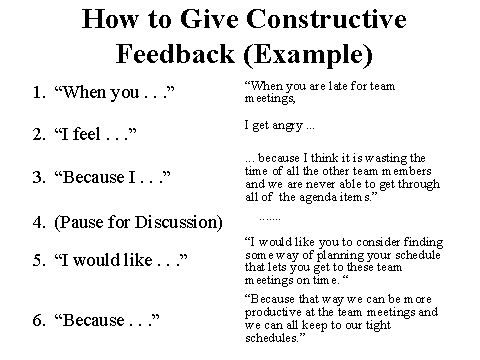
    Hey everyone! Let's talk about something super important, but often kinda awkward: feedback. Specifically, how to give and receive constructive feedback â€" the kind that actually helps us grow and improve, instead of just making us feel bad. It’s a skill that takes practice, but it's totally worth mastering. Think of it as a superpower for building stronger relationships and achieving amazing things, both personally and professionally.

    Understanding the Power of Constructive Feedback

    Before we dive into the how-to, let's clarify what constructive feedback actually is. It's not about pointing fingers or making someone feel small. It's about offering specific, actionable suggestions for improvement, focusing on behavior rather than personality. Think of it as a gift â€" a chance to learn and level up.

    Why is it so powerful? Because it helps us:

    • Identify areas for growth and development.
    • Improve our skills and performance.
    • Strengthen relationships through open communication.
    • Increase self-awareness.
    • Boost confidence by addressing weaknesses proactively.

    The key is to approach feedback as a collaborative process, not a judgment. It̢۪s about working together to achieve a shared goal, whether that's a better presentation, a stronger team, or a more fulfilling personal life.

    Giving Constructive Feedback: The Art of the Sandwich

    Giving feedback can be tricky. No one wants to be the bearer of bad news, but done right, it's a powerful tool. A helpful technique is the "feedback sandwich":

    Positive Point:

    Start with something positive. Acknowledge their strengths and efforts. This sets a positive tone and makes the person more receptive to what you're about to say. For example: "I really appreciate your dedication to this project, especially your creativity in the initial brainstorming sessions."

    Constructive Criticism:

    Now, deliver your constructive criticism. Be specific and focus on observable behaviors. Avoid generalizations or vague statements. Instead of saying "You're not a good team player," try: "During the last meeting, I noticed you didn't contribute to the discussion after the initial brainstorming, and that made it harder to make decisions as a team." Always offer suggestions on how to improve. For example, "Perhaps next time you could actively share your thoughts by making notes and voicing your perspectives earlier on?"

    Positive Ending:

    End on a positive note. Reiterate your confidence in their ability to improve, and offer your support. For example: "I know you're capable of making significant progress, and I̢۪m happy to help you in any way I can. Let's schedule a follow-up to discuss how things are going."

    Receiving Constructive Feedback: Embrace the Opportunity

    Receiving feedback can be uncomfortable, but it's crucial for growth. Remember, the person giving you feedback is likely trying to help you. Here are some tips for handling it gracefully:

    • Listen actively: Don't interrupt. Focus on understanding their perspective.
    • Ask clarifying questions: If something is unclear, ask for more details. For example: "Can you give me a specific example of what you mean?"
    • Don't get defensive: Even if you disagree with the feedback, avoid becoming defensive. Try to understand their point of view.
    • Thank them: Show your appreciation for their time and effort in providing feedback. Even if the feedback is hard to hear, acknowledging their effort is crucial for maintaining a positive relationship.
    • Reflect on the feedback: Take some time to consider the feedback and identify areas for improvement. Don't dismiss it immediately.
    • Develop an action plan: Based on the feedback received, create a plan of action to address the areas that need improvement. This shows the other person you're truly invested in your development.

    Making Feedback a Regular Practice

    The best way to improve at giving and receiving feedback is to make it a regular habit. Incorporate it into your workflows, team meetings, and personal relationships. Consider these strategies:

    • Schedule regular check-ins: Set aside time to discuss progress and receive feedback.
    • Create a safe space for feedback: Foster an environment where people feel comfortable sharing their thoughts and opinions without fear of judgment.
    • Use different methods: Experiment with various feedback methods, such as written reviews, informal conversations, 360-degree feedback, or peer reviews.
    • Be patient and persistent: It takes time and practice to master the art of giving and receiving feedback. Don't get discouraged if it doesn't feel natural at first.

    Remember the "Why"

    At the heart of constructive feedback is a shared desire for growth and improvement. Remind yourself (and the person you're giving feedback to) of this common goal. It̢۪s not about blame or criticism; it's about working together to achieve something better.

    Commonly Asked Questions

    Q: What if the feedback is overly critical or unfair?

    A: This is tricky. Try to understand the person's perspective, but if the feedback is consistently negative and unhelpful, you might need to address it directly. Explain that you appreciate their feedback but find some points overly harsh or not constructive. Focus on how the feedback makes you feel and what you need to better process it.

    Q: How do I deal with emotional reactions when receiving feedback?

    A: It's perfectly normal to have emotional reactions to feedback, especially if it touches on sensitive areas. Take a moment to process your emotions before responding. You might need to take a break and come back to the conversation later. It’s okay to say, “I need a few minutes to process this before I respond.”

    Q: How can I make sure my feedback is specific and actionable?

    A: Use the "STAR" method (Situation, Task, Action, Result). Describe the situation, the task at hand, the action taken, and the result. This provides a concrete example that makes your feedback clear and understandable.

    Q: What if I'm afraid to give negative feedback?

    A: It’s understandable to feel uncomfortable giving negative feedback. Focus on the positive impact your feedback can have â€" it helps the other person improve and strengthens your relationship in the long run. Remember the feedback sandwich! Start positive, deliver the feedback constructively, and end positively. Practice makes perfect!

    By embracing constructive feedback as a tool for growth, both in giving and receiving, you̢۪ll open doors to stronger relationships, enhanced skills, and a more fulfilling life.

    How to Find Support Groups for Post-Breakup Healing

    How to Find Support Groups for Post-Breakup Healing

    Navigating the Aftermath: Finding Support Groups for Post-Breakup Healing

    The dissolution of a romantic relationship, regardless of its duration or perceived significance, can be a profoundly challenging experience. The emotional upheaval, often characterized by grief, anger, loneliness, and uncertainty, necessitates a robust support system for effective healing. While relying on close friends and family is crucial, the structured environment and shared experience offered by support groups provide invaluable benefits during this vulnerable period. This article will explore the various avenues for locating and participating in support groups specifically designed for post-breakup healing.

    Understanding the Benefits of Support Groups

    Support groups offer a unique therapeutic space distinct from individual therapy. While individual therapy delves deeply into personal experiences and underlying psychological factors, support groups provide a sense of community and shared experience. This shared understanding is incredibly powerful in mitigating the feelings of isolation and shame that often accompany heartbreak.

    Normalization of Feelings

    One of the primary benefits is the normalization of feelings. Individuals often grapple with intense emotions that they perceive as unique or excessive. Support groups demonstrate that these feelingsâ€"grief, anger, sadness, confusionâ€"are entirely normal responses to relationship loss. Hearing others share similar experiences fosters a sense of validation and reduces the feeling of being alone in one's suffering.

    Development of Coping Mechanisms

    Support groups provide a platform for learning and developing healthy coping mechanisms. Participants share strategies for navigating difficult emotions, managing daily life, and rebuilding self-esteem. This exchange of practical advice and emotional support allows individuals to adapt strategies that resonate with their personal needs and experiences.

    Building a Support Network

    Beyond the immediate support offered during group sessions, participation fosters the creation of a new support network. The connections forged within the group can provide ongoing emotional support and encouragement during the healing process. These new relationships can alleviate feelings of isolation and provide a sense of belonging.

    Locating Suitable Support Groups

    Finding the right support group requires careful consideration of several factors. The ideal group will offer a safe and non-judgmental environment, facilitate constructive dialogue, and cater to individual needs and preferences.

    Online Support Groups

    The internet offers a wealth of online support groups catering to individuals navigating breakups. These platforms offer anonymity, accessibility, and convenience. Many online forums and communities dedicate specific threads or channels to relationship issues. However, it is crucial to carefully vet online groups to ensure a safe and supportive environment.

  • Look for groups with established moderators: Moderators ensure respectful dialogue and prevent harmful interactions.
  • Read reviews and testimonials: Assess the group's overall tone and effectiveness based on past participants' experiences.
  • Start with smaller, more intimate groups: Larger groups can feel overwhelming for some individuals.
  • In-Person Support Groups

    In-person support groups offer the benefit of face-to-face interaction, creating stronger connections and facilitating a more intimate and supportive environment. Locating in-person groups may require more effort, but the rewards can be significant.

  • Contact local mental health organizations: Many mental health clinics and hospitals offer support groups or can provide referrals.
  • Check community centers and religious organizations: These institutions often host support groups focused on various life challenges.
  • Search online directories: Websites dedicated to support groups can offer local listings based on specific needs and interests.
  • Inquire with therapists or counselors: Therapists may be able to recommend appropriate support groups in your area.
  • Specific Group Considerations

    Beyond the online versus in-person distinction, consider the specific focus of the group. Some groups may cater to specific demographics (e.g., age, gender, sexual orientation), relationship dynamics (e.g., long-term versus short-term relationships), or religious affiliations. Choosing a group that aligns with your specific needs and circumstances can significantly enhance the therapeutic experience.

    Preparing for and Participating in Support Groups

    Effective participation requires preparation and a mindful approach. While the group offers support, active engagement is crucial for maximizing the benefits.

    Setting Expectations

    Avoid expecting immediate solutions or a rapid transformation. Healing from a breakup is a process, and support groups are a tool to aid in that process, not a magic cure. Embrace the journey and focus on gradual progress.

    Active Listening and Participation

    Active listening is paramount. Pay attention to others' experiences, empathize with their struggles, and offer support when appropriate. Sharing your own experiences, when comfortable, can be equally beneficial, fostering connection and validating others' feelings.

    Respecting Confidentiality

    Most support groups operate under a code of confidentiality. However, it is crucial to maintain a level of discretion and avoid sharing details that could compromise the privacy of others.

    Seeking Professional Guidance When Needed

    While support groups offer significant benefits, they should not replace professional help when necessary. If you are struggling with overwhelming emotions, suicidal thoughts, or other significant mental health concerns, seek professional guidance from a therapist or counselor.

    Conclusion

    Navigating the emotional aftermath of a breakup can be exceptionally challenging. However, the availability of various support groups offers a pathway to healing, fostering resilience, and promoting well-being. By carefully considering the options and actively participating in a supportive environment, individuals can harness the power of shared experience to overcome the pain of heartbreak and embark on a journey toward emotional recovery.

    Remember, seeking help is a sign of strength, not weakness. Embracing the support offered by these groups can make a significant difference in your healing journey. Take the necessary steps to find a group that fits your needs and embark on the path toward a healthier, happier future.

    Thursday, November 21, 2024

    Is Getting Her Back the Right Choice? Questions to Ask Yourself

    Is Getting Her Back the Right Choice? Questions to Ask Yourself

    Is Getting Her Back the Right Choice? Questions to Ask Yourself

    Okay, so you're thinking about getting back together with your ex. That's a big decision, and one that shouldn't be taken lightly. Heartbreak is rough, and the familiarity of a past relationship can feel incredibly appealing, especially when you̢۪re hurting. But before you dive headfirst back into things, let's take a step back and really examine if this is the right move for *you*. This isn't about winning her back; it's about making a conscious, healthy choice for your future happiness.

    Understanding Your Reasons

    Before you even consider reaching out, you need to understand *why* you want her back. Is it genuine love and a desire to build a stronger, healthier relationship? Or are you driven by something else entirely? Let̢۪s dig deep.

    Are You Missing the Relationship or the Person?

    This is a crucial distinction. Do you miss the comfort, the routine, the shared experiences you had *together*? Or do you genuinely miss *her* â€" her personality, her laughter, her unique qualities that made her special to you? Missing the relationship itself can be a red flag, suggesting you're trying to fill a void rather than rekindle a genuine connection.

    Are You Lonely or Seeking Validation?

    Let's be honest, sometimes we want someone back because we̢۪re lonely or seeking external validation. Are you feeling lost or empty without her in your life? If so, getting back together might not solve the underlying issues causing you to feel this way. It̢۪s important to address those feelings independently before jumping back into a relationship.

    Is it Nostalgia or Real Love?

    Remembering the good times is natural, especially when you̢۪re grieving the loss of a relationship. But are you romanticizing the past, overlooking the flaws and challenges that led to the breakup in the first place? Nostalgia can cloud your judgment, making you believe things were better than they actually were. Be realistic about the relationship's history, both the highs and the lows.

    Have You Done the Work on Yourself?

    This is huge. What have you learned from the breakup? Have you addressed your own contributions to the relationship̢۪s demise? Have you worked on personal growth, improved your communication skills, or addressed any underlying issues that might have contributed to the problems? Getting back together without addressing these issues is setting yourselves up for failure.

    Analyzing the Relationship

    Now, let̢۪s analyze the relationship itself. Was it truly healthy and fulfilling? Or were there significant problems that you're hoping will magically disappear?

    What Caused the Breakup?

    This is the most critical question. What were the fundamental issues that led to the separation? Were they resolved? Have both of you made significant changes to address the root causes? If the underlying issues remain unresolved, getting back together is likely to lead to the same problems resurfacing, often intensified.

    Was It a Toxic Relationship?

    Be brutally honest with yourself here. Was the relationship characterized by constant arguments, manipulation, control, disrespect, or emotional abuse? If so, getting back together would be extremely risky. Toxic relationships rarely improve without significant external help and a profound commitment to change from both individuals. It's important to prioritize your safety and well-being.

    Were You Happy Together?

    Think beyond the honeymoon phase. Were you genuinely happy *most* of the time? Did you feel supported, respected, and valued? If the relationship was predominantly unhappy, getting back together is unlikely to magically transform it into something fulfilling.

    What Are Your Expectations?

    What are your hopes and expectations for a reconciliation? Are they realistic? Are you both on the same page regarding the future? Unrealistic expectations can quickly lead to disappointment and another breakup.

    Considering Her Perspective

    It's not just about your feelings; consider her perspective too. Has she expressed any interest in getting back together? What are her reasons?

    Has She Changed?

    Has she shown genuine effort to address any issues she contributed to the breakup? Has she demonstrated a willingness to work on the relationship? Or is she simply seeking convenience or a temporary solution to her own problems?

    Is She Ready?

    Just because *you* want her back doesn't mean she's ready or willing. Respect her feelings and her right to move on. Pressuring her into a reconciliation will likely backfire and cause more hurt.

    What Does Her Current Life Look Like?

    What is she doing with her time now that you're not together? Has she moved on significantly? Does she seem genuinely happy, even without you? If she is thriving without you, perhaps getting back together is not the best idea for either of you.

    The Bottom Line

    Getting back together with an ex is a complex decision with far-reaching consequences. It's crucial to approach it with honesty, self-awareness, and a realistic perspective. If your reasons for wanting her back are rooted in genuine love, mutual growth, and a commitment to addressing past issues, then perhaps it's worth exploring. However, if your desire stems from loneliness, insecurity, or a romanticized vision of the past, it̢۪s important to address those underlying issues before considering a reconciliation. Ultimately, the best choice is the one that prioritizes your long-term happiness and well-being.

    Commonly Asked Questions

    Here are some frequently asked questions regarding getting back with an ex:

    • Q: Should I contact her immediately? A: No, give yourself and her time and space. Reflect on the questions above before reaching out.
    • Q: What if she's dating someone else? A: Respect her relationship and move on. Don't try to interfere.
    • Q: How do I know if she's really ready? A: Look for genuine effort on her part to change, address past issues, and express a clear desire for reconciliation.
    • Q: What if I'm scared of being alone? A: Address your fear of loneliness independently. Don't rely on a relationship to fill that void.
    • Q: What if it doesn't work out again? A: Be prepared for this possibility. It's a risk, but learn from the experience and move on.
    • Q: Should I seek professional help? A: If you're struggling to process your emotions or make a decision, seeking help from a therapist or counselor can be beneficial.

    How to Win Back Your Ex Without Manipulating Them

    How to Win Back Your Ex Without Manipulating Them

    Reclaiming a Lost Connection: A Respectful Approach to Reconciliation

    The dissolution of a romantic relationship is invariably a painful experience. While the allure of swiftly regaining a former partner's affection might be strong, resorting to manipulative tactics is counterproductive and ethically questionable. This article outlines a respectful and genuine approach to reconciliation, emphasizing introspection, honest communication, and the prioritization of mutual well-being.

    Understanding the Rationale for Reconciliation

    Before embarking on any attempt at reconciliation, rigorous self-reflection is paramount. Honest introspection should delve into the reasons for the relationship's termination. Was the breakup mutual, or was it initiated by one party? Identifying the underlying issues is crucial for a successful reconciliation. Simply longing for the familiarity or comfort of the past relationship is insufficient justification for pursuing reconciliation.

    Analyzing Your Role in the Breakup

    Take full responsibility for your actions and contributions to the relationship's demise. This requires a critical examination of your behavior, identifying any patterns of negativity, disrespect, or incompatibility. Were there instances of infidelity, consistent conflict, or a lack of communication? Acknowledging your shortcomings is the first step toward personal growth and a more constructive future, whether with your ex-partner or someone else.

    Assessing Your Ex-Partner's Perspective

    Empathy is essential. Attempt to understand your ex-partner's perspective on the relationship and the reasons for the breakup. Avoid making assumptions; instead, try to recall their feelings and concerns. Understanding their perspective is crucial for framing your approach to reconciliation in a way that addresses their needs and concerns.

    The Process of Respectful Reconciliation

    Reconciliation is not a quick fix; it requires time, patience, and a genuine commitment to personal growth and improved communication. Avoid impulsive actions; instead, focus on building a foundation of trust and understanding.

    Allowing Space and Time for Healing

    Respect your ex-partner's need for space and time to process the breakup. Bombarding them with calls, texts, or visits will only push them further away. Allow them the necessary time to heal and reflect. This period of separation can be beneficial for both parties, allowing for introspection and a clearer perspective on the relationship.

    Initiating Contact Respectfully

    When you do initiate contact, do so respectfully and without pressure. A simple, sincere message expressing your desire to talk about the relationship, without demands or accusations, is appropriate. Focus on expressing your desire for understanding and a chance to address past issues, not on demanding a reunion.

  • Avoid accusatory language. Focus on “I” statements, expressing your feelings and experiences without blaming your ex-partner.
  • Keep the initial contact brief. Suggest a time and place to meet for a calm and respectful conversation.
  • Respect their response. If they decline your request, respect their decision and refrain from further contact for a period of time.
  • Honest and Open Communication

    During any conversation, maintain open and honest communication. Listen attentively to your ex-partner's perspective, and validate their feelings. Avoid defensiveness or justifications. Focus on understanding their needs and concerns, and express your own feelings honestly and without manipulation.

  • Address past issues directly. Discuss the specific problems that led to the breakup, taking responsibility for your role in those issues.
  • Express remorse sincerely. If you have caused pain or hurt, express genuine remorse and a commitment to change.
  • Avoid making promises you cannot keep. Be realistic about what you can offer and what changes you can make.
  • Demonstrating Genuine Change

    Words alone are not enough. You must demonstrate genuine change through your actions. This might involve seeking therapy, addressing addictive behaviors, or making significant lifestyle adjustments. Your ex-partner needs to see concrete evidence that you are committed to personal growth and creating a healthier relationship dynamic.

    Managing Expectations and Accepting the Outcome

    Reconciliation is not guaranteed, regardless of the effort exerted. Your ex-partner has the right to decline reconciliation, and this decision must be respected. While striving for reconciliation is acceptable, clinging to hope when the outcome is unfavorable will only prolong the healing process. Accepting the possibility of not reuniting is crucial for moving forward.

    Focusing on Self-Improvement

    Regardless of the outcome of the reconciliation attempt, focus on personal growth and self-improvement. The breakup, and the subsequent attempt at reconciliation, should serve as an opportunity for introspection and personal development. Embrace the lessons learned, and apply them to future relationships.

    Seeking Support

    Navigating the complexities of a breakup and reconciliation can be emotionally challenging. Seeking support from trusted friends, family, or a therapist can provide valuable guidance and emotional support throughout the process. A therapist can offer objective insights and help you process your emotions in a healthy manner.

    Conclusion

    Reclaiming a lost connection requires a conscious effort, genuine remorse, and a deep commitment to personal growth. This process necessitates respect for the ex-partner's autonomy and feelings. While the desire for reconciliation is understandable, it's imperative to approach the situation ethically, without resorting to manipulation. Ultimately, the focus should be on personal healing and creating healthier relationships in the future, whether with a former partner or someone new.

    ブログ アーカイブ

    Powered by Blogger.