Social Media Detox: Breaking Free From the Past
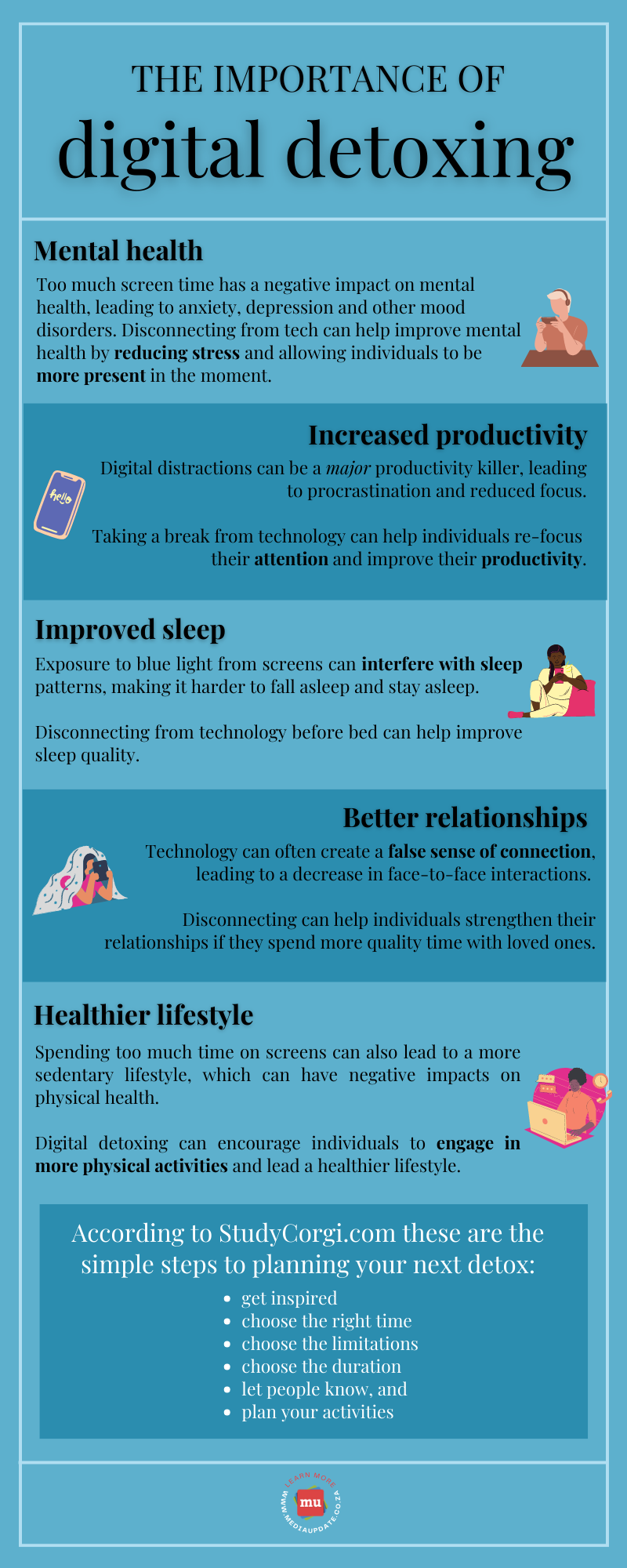
The pervasive nature of social media in contemporary society is undeniable. While offering undeniable benefits in terms of connection and information dissemination, its relentless presence can also contribute to significant psychological and emotional challenges. For many, a social media detox represents a crucial step towards reclaiming mental well-being and disentangling oneself from the often-unhealthy patterns established over time. This process, however, requires careful consideration and a structured approach to ensure lasting positive outcomes.
Understanding the Allure and the Allure's Drawbacks
The initial appeal of social media platforms is largely rooted in their capacity to foster a sense of belonging and connection. The ease of communication, the constant stream of updates from friends and family, and the opportunity to participate in online communities are all powerful attractants. Furthermore, the curated nature of online profiles often presents an idealized version of reality, leading to social comparison and feelings of inadequacy.
The Illusion of Connection
Paradoxically, the very features designed to enhance connection can contribute to feelings of isolation and loneliness. The superficial nature of many online interactions, the pressure to maintain a perfect online persona, and the fear of missing out (FOMO) can foster a sense of disconnect, even amidst a constant stream of digital interaction. The curated highlight reels of others' lives often overshadow the mundane realities of everyday existence, leading to feelings of inadequacy and dissatisfaction with one's own life.
The Perpetuation of Negative Thought Patterns
Social media algorithms are designed to maximize engagement, often prioritizing content that elicits strong emotional responses. This can result in a steady diet of negativity, conflict, and outrage, contributing to anxiety, depression, and a general sense of unease. Exposure to constant negativity can reinforce existing negative thought patterns, making it difficult to maintain a positive outlook.
The Erosion of Self-Esteem
The constant exposure to idealized versions of reality on social media can significantly impact self-esteem. The tendency to compare oneself to others, often leading to feelings of inadequacy and envy, is a common consequence of excessive social media use. The pressure to maintain a perfect online persona can also be incredibly draining and contribute to feelings of anxiety and self-doubt.
Initiating a Successful Social Media Detox
Embarking on a social media detox requires a well-defined plan and a strong commitment to self-care. A gradual approach is often more effective than an abrupt cessation, allowing for a smoother transition and minimizing the risk of relapse. The detox process should be personalized to suit individual needs and preferences.
Setting Realistic Goals
Avoid setting overly ambitious goals that are difficult to maintain. Start by reducing the time spent on social media gradually, perhaps by setting daily or weekly limits. Identify the specific platforms and activities that contribute most to negative feelings and prioritize reducing engagement with those first. The goal is to create sustainable habits rather than to implement drastic, unsustainable changes.
Identifying Triggers and Coping Mechanisms
Understanding the reasons behind social media use is crucial for successful detox. Identify the triggers that lead to excessive engagement, such as boredom, loneliness, or stress. Developing alternative coping mechanisms for these triggers is essential. This might involve engaging in activities such as reading, exercising, spending time in nature, or pursuing hobbies. Replacing negative habits with positive alternatives is key to long-term success.
Creating a Support System
A strong support system is invaluable during a social media detox. Inform close friends and family of your intentions and enlist their support in your efforts. Consider joining a support group or seeking professional guidance if necessary. Having people to check in with and provide accountability can significantly increase the chances of success.
Navigating the Withdrawal Process
Disengaging from social media can trigger withdrawal symptoms, including anxiety, irritability, and feelings of isolation. These are common and temporary, but understanding what to expect can help manage the challenges. It's important to remember that these feelings are a sign that the brain is adjusting to a new pattern of behavior.
Managing Withdrawal Symptoms
Acknowledge and validate the feelings of withdrawal. Engage in self-compassion and recognize that this is a normal part of the process. Practice mindfulness techniques, such as meditation or deep breathing exercises, to help manage anxiety and stress. Engage in activities that promote relaxation and well-being, such as yoga, spending time in nature, or listening to calming music.
Redefining Connection
Social media detox allows for a reevaluation of the meaning of connection. Focus on cultivating real-life relationships and engaging in meaningful interactions. Spend quality time with loved ones, join clubs or groups based on shared interests, or volunteer in your community. These experiences foster genuine connection and build stronger, more fulfilling relationships.
Sustaining Long-Term Change
Sustaining a social media detox requires ongoing effort and commitment. The goal is not necessarily to eliminate social media entirely, but to establish a healthier relationship with it. Once the detox period is complete, consider reintroducing social media gradually and mindfully.
Mindful Reintegration
When reintroducing social media, set clear boundaries and limits. Utilize features like screen time tracking apps to monitor usage and stick to your self-imposed limits. Be mindful of the content you consume and unfollow accounts that contribute to negative feelings. Prioritize engaging with content that promotes positivity, inspiration, and genuine connection.
Ongoing Self-Reflection
Regularly reflect on your relationship with social media. Consider journaling your experiences and feelings to track progress and identify potential challenges. Assess whether your social media usage aligns with your values and goals. Be prepared to adjust your approach as needed to maintain a healthy and balanced relationship with social media.
In conclusion, a social media detox can be a transformative experience, offering the opportunity to reclaim mental well-being and foster a healthier relationship with technology. By following a structured approach, managing withdrawal symptoms, and committing to ongoing self-reflection, individuals can break free from the past and create a more fulfilling and balanced life.
0 comments:
Post a Comment
Note: Only a member of this blog may post a comment.