Understanding Attachment Styles for Better Relationships
Hey everyone! Let's talk about something super important for building strong, healthy relationships: attachment styles. Now, I know what you might be thinking â€" "Attachment styles? Sounds complicated!" But trust me, once you understand the basics, it’ll really help you navigate your relationships with more self-awareness and empathy.
Basically, your attachment style is a pattern of relating to others, especially in close relationships. It develops in early childhood, based on your interactions with your primary caregivers (usually your parents). It's not a fixed label, though â€" it can shift and evolve throughout your life, especially with self-reflection and conscious effort.
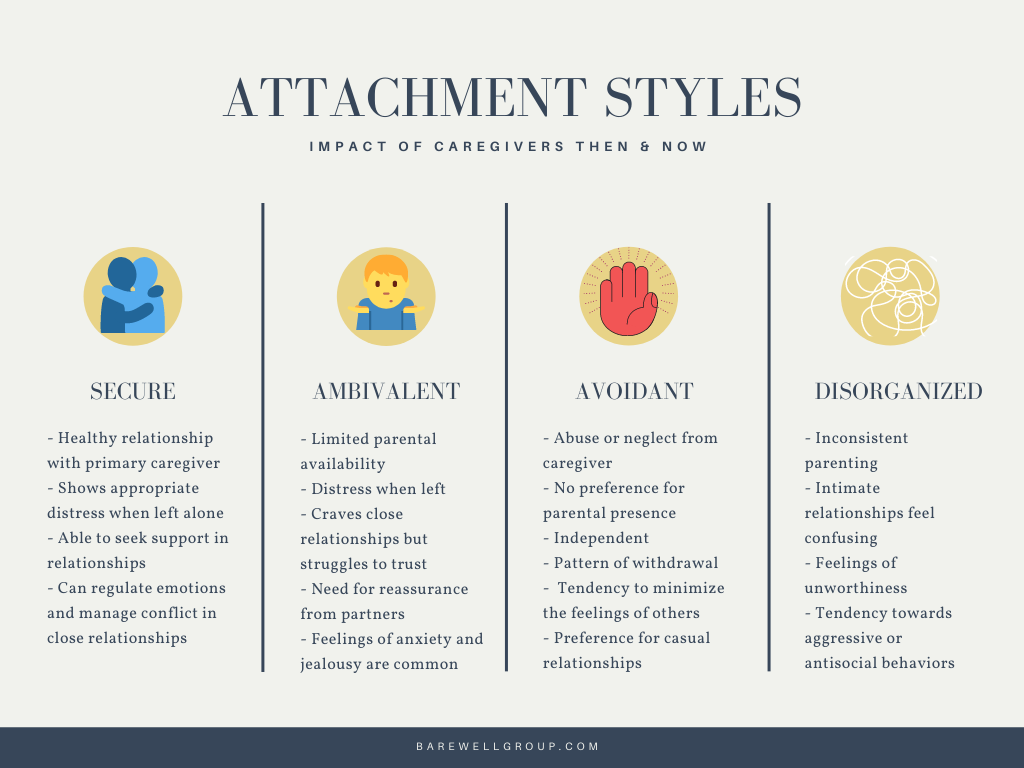
The Four Main Attachment Styles
There are four main attachment styles often discussed: secure, anxious-preoccupied, dismissive-avoidant, and fearful-avoidant. Let's break each one down:
Secure Attachment
People with a secure attachment style generally have a positive view of themselves and others. They feel comfortable with intimacy and independence. They're usually confident in their ability to form and maintain close relationships. Think of it as the "gold standard" â€" these individuals tend to have healthy relationships characterized by trust, open communication, and mutual support.
Signs of Secure Attachment:
- Comfortable with intimacy and independence
- Trusts others easily
- Communicates openly and honestly
- Seeks support when needed, and offers support to others
- Handles conflict constructively
Anxious-Preoccupied Attachment
Individuals with an anxious-preoccupied attachment style often have a positive view of others but a negative view of themselves. They crave intimacy and closeness but fear abandonment. This can lead to clinginess, neediness, and a tendency to worry about their partner's feelings and intentions. They might experience intense jealousy or insecurity in relationships.
Signs of Anxious-Preoccupied Attachment:
- Fear of abandonment
- Clingy and needy in relationships
- High levels of jealousy and insecurity
- Often seeks reassurance from their partner
- May overthink and overanalyze interactions
Dismissive-Avoidant Attachment
Those with a dismissive-avoidant attachment style tend to have a positive view of themselves but a negative view of others. They value independence and self-reliance to the point of suppressing their need for intimacy. They may appear emotionally distant and avoid close relationships. They might prioritize their own needs and independence over the needs of their partners.
Signs of Dismissive-Avoidant Attachment:
- Values independence and self-reliance above all else
- Avoids intimacy and emotional closeness
- Suppresses their own emotions and needs
- May appear emotionally distant or unavailable
- Struggles with vulnerability
Fearful-Avoidant Attachment
This style is a bit of a mix â€" individuals with fearful-avoidant attachment have a negative view of both themselves and others. They desire closeness but fear intimacy. This leads to a cycle of pushing people away and then longing for connection. They may experience a lot of internal conflict and struggle to maintain consistent relationships.
Signs of Fearful-Avoidant Attachment:
- Desire closeness but fear intimacy
- Experiences significant internal conflict
- May sabotage relationships due to fear of being hurt
- Often has difficulty trusting others
- May display inconsistent behavior in relationships
How Attachment Styles Impact Relationships
Understanding your attachment style (and your partner's!) can dramatically improve your relationships. For example, if you're anxiously attached and your partner is avoidantly attached, you might find yourselves constantly clashing. Your need for reassurance might feel overwhelming to your partner, while their desire for space might leave you feeling rejected. Recognizing these inherent differences allows you to approach conflict with more compassion and understanding.
Knowing your attachment style can also help you identify potential relationship patterns that may be hindering your happiness. Are you constantly choosing partners who reinforce your negative self-image? Are you unconsciously recreating past relationship dynamics? Self-awareness is key!
Changing Your Attachment Style
It's important to remember that attachment styles aren’t set in stone. While your early childhood experiences significantly shaped your attachment, you can absolutely work towards a more secure attachment. This often involves therapy, self-reflection, and conscious effort to challenge negative thought patterns and develop healthier relationship skills. Things like building self-esteem, practicing healthy communication, and learning to set boundaries are all valuable steps.
Finding a Therapist
If you're struggling with your attachment style and its impact on your relationships, seeking professional help is a great idea. A therapist can provide a safe and supportive space for you to explore your experiences, understand your patterns, and develop healthier coping mechanisms. They can also help you identify and address any underlying issues contributing to your attachment style.
Commonly Asked Questions
Q: Can I change my attachment style completely?
A: While you might not entirely erase your early programming, you can absolutely learn to manage and modify your responses and build more secure relationships. Therapy and self-work can help you develop healthier coping mechanisms and relationship skills.
Q: How do I know what my attachment style is?
A: There are many online quizzes and questionnaires that can give you an idea, but it's best to consider them as a starting point. A deeper understanding often comes from self-reflection and potentially working with a therapist.
Q: Does my partner's attachment style matter?
A: Absolutely! Understanding your partner's attachment style can help you anticipate their reactions, communicate more effectively, and navigate conflicts more constructively. It's not about "fixing" your partner, but about understanding their needs and finding ways to work together.
Q: Is it possible to have a successful relationship with different attachment styles?
A: Yes! While it can present challenges, couples with different attachment styles can absolutely have fulfilling relationships. Open communication, empathy, and a willingness to understand each other's needs are crucial for success.
I hope this has helped shed some light on attachment styles. Remember, understanding yourself and your partner is the first step towards building healthy and lasting relationships! Good luck on your journey!
0 comments:
Post a Comment
Note: Only a member of this blog may post a comment.